
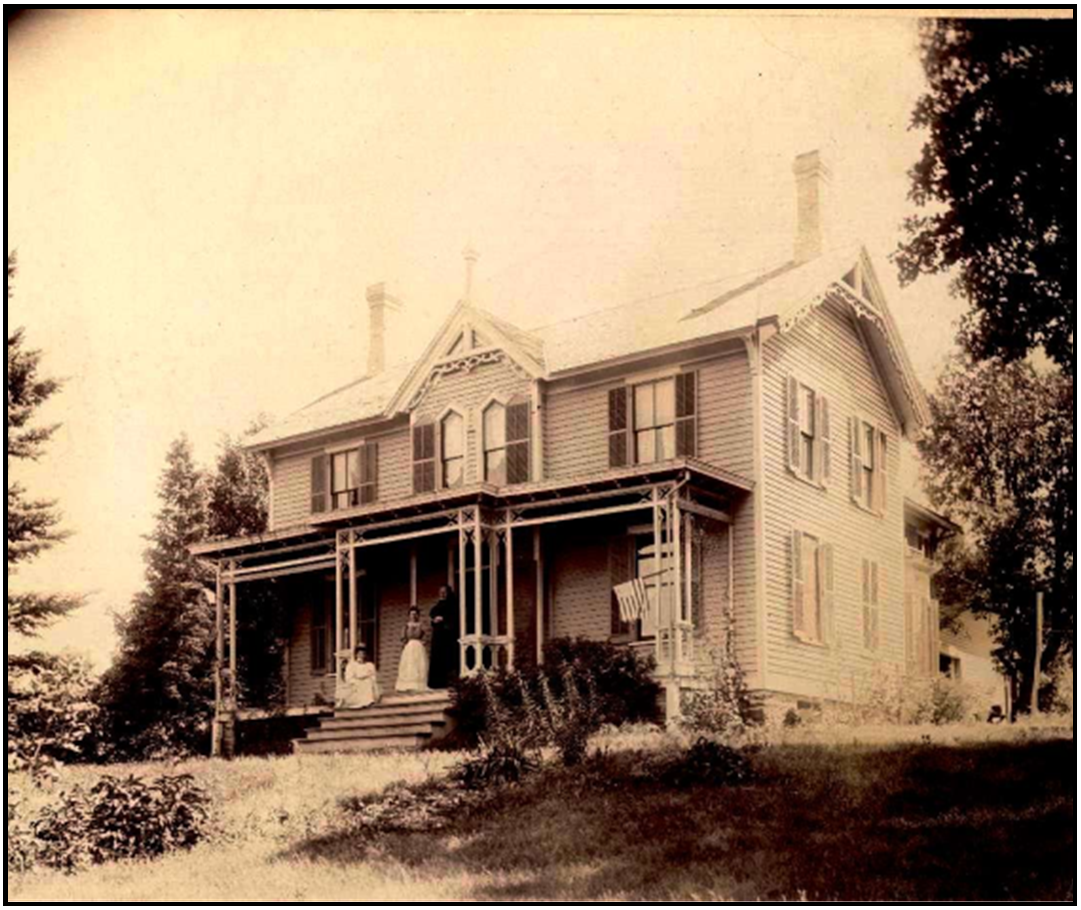
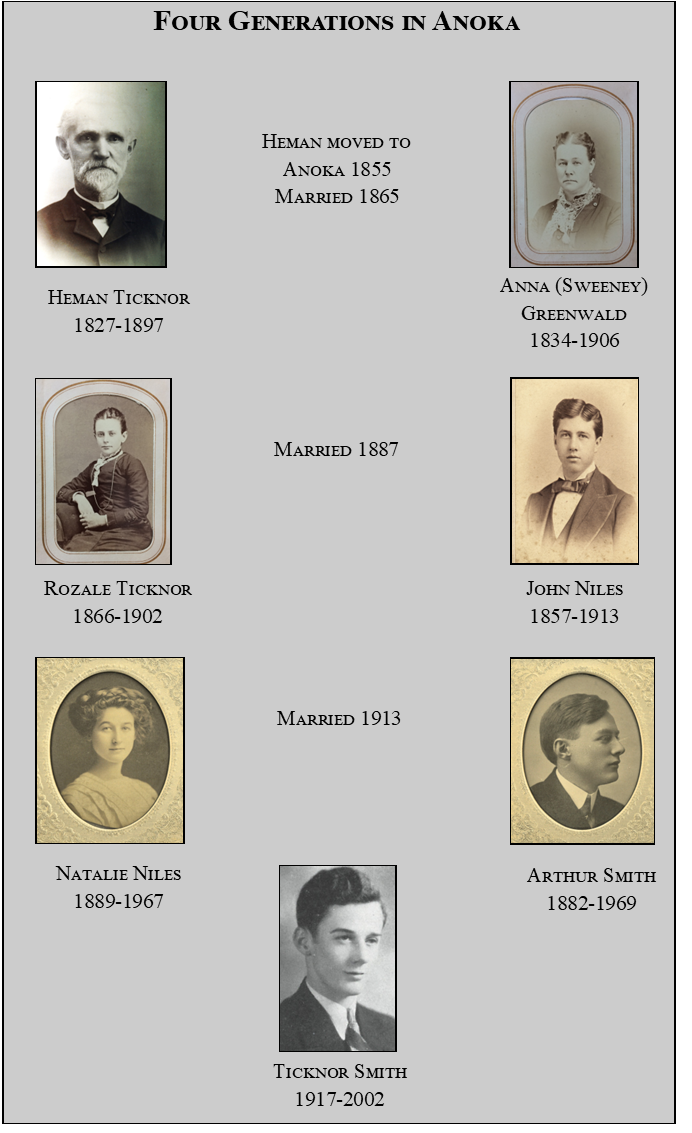
Four Generations
Big ideas, real impact.
Originally built in 1867, the Ticknor House at 1625 Third Avenue is one of the older remaining homes in the city of Anoka. Heman Ticknor, a successful businessman in Anoka, built it for his wife, Anna (Sweeney) Greenwald, their daughter, Zale, and Zale's two sons from her previous marriage. The three children grew up in the house, and it was later passed down to Zale’s daughter. Each generation of the family made its own additions and changes to the house, some of them quite dramatic. The family sold the home to a non-relative in the 1970s, after which it underwent further renovations and was added to the National Register of Historic Places. After nearly two decades of serving as housing as a duplex, the home was bought and turned into a bed and breakfast in 1996. As of now, it remains the Ticknor Hill Bed & Breakfast.
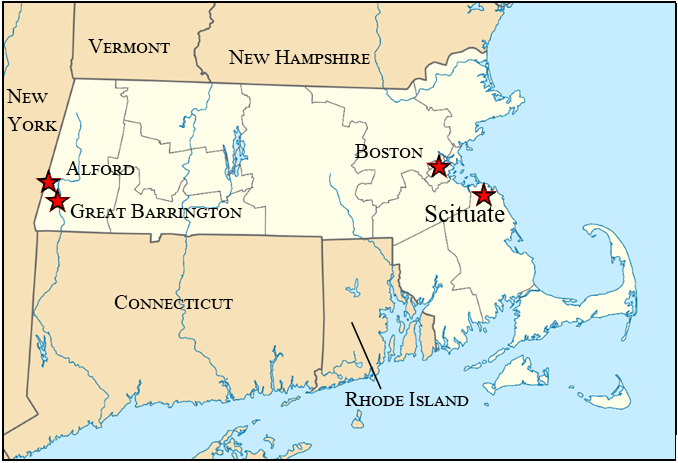
The Ticknor family came to the United States from England in 1645, and initially settled in the coastal town of Scituate, Massachusetts (pronounced like the word ‘situate’). In 1764 and 1773, Abigail Ticknor (widow of William Ticknor) and her children bought land in western Massachusetts, allowing them to settle in Berkshire County (the westernmost county in the state). They kept the deeds documenting those land purchases and passed them down over many generations. Today, these land deeds are part of the Ticknor Collection at the Anoka County Historical Society.
The family remained in Massachusetts, primarily in the towns of Alford and Great Barrington, for many years. Handwritten deeds from the 1840s and 1850s document land or livestock bought by the Ticknors to expand their holdings, as well as land transfers between family members. In an era long before nursing homes, families had to make other arrangements for aging parents. The Ticknors solved this issue as many farming families did; in 1844, Daniel and Anna Ticknor sold their farm to one of their children, Horace, but in the Deed of Sale, they wrote clauses specifying that Horace would continue to provide adequate shelter, sustenance, clothing, and medical care for the rest of their “natural lives.” Further clauses ensured that the property would revert to Daniel and Anna if Horace did not fulfill those obligations.
Other documents give us a glimpse at other parts of their lives: a party invitation indicates that the Ticknors hosted a large Fourth of July party in 1844. Some family members began to spread out to other parts of the country during the early and middle 1800s: New York, Pennsylvania, Ohio, and Illinois. A few surviving letters tell the story of a far-flung family that did their best to stay in touch with each other in a time when long-distance correspondence was more difficult than it is today.
Another Horace Ticknor, different from the Horace mentioned previously, wrote to family still in Massachusetts from Belvidere, Illinois, in 1852. He updates them on his family and the recent population growth in that part of Illinois, then inquires about family members he had lost track of, including his cousin Heman L. Ticknor. While ACHS doesn’t have the letter replying to Horace, it’s possible a family member wrote back to him, indicating that Heman was staying with his uncle (also named Heman) in Ashtabula, Ohio, at that time. He had plans to go farther west, though, and may already have had his final destination in mind: Anoka, Minnesota.
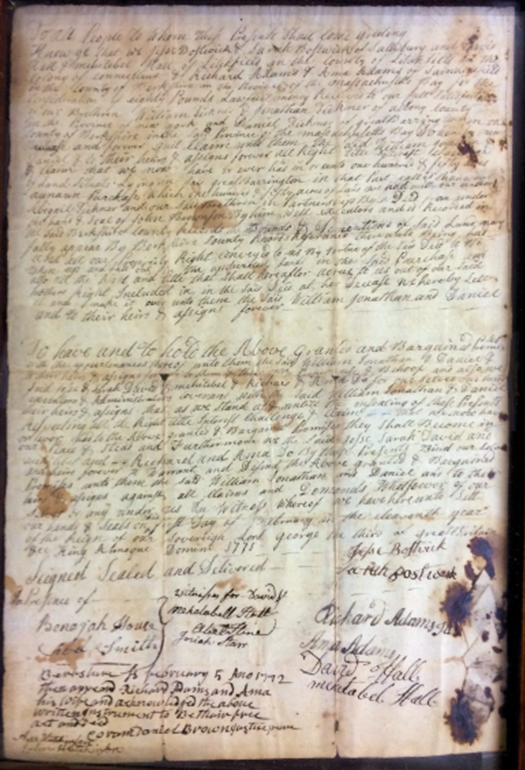
1772 document from the Ticknor Family held in the collections of the Anoka County Historical Society.
The Ticknor Family in Anoka
Heman L. Ticknor was born in Great Barrington, Massachusetts, in 1827, part of the seventh generation of the Ticknor family in the United States. He came to Anoka in 1855 with his brother Morton.
In 1855, Heman and Morton were among the very early residents of the town of Anoka. Anoka County was not organized until two years later, and Minnesota did not officially become a state until 1858. The very earliest European settlers began to call Anoka home in the late 1840s; the first crops (of potatoes and corn) were grown in 1848. The first ferry across the Rum River was established in 1851, and the first bridge across the Rum was built in 1853 by Orin W. Rice. It was 1853 before Anoka had its own post office, and the first actual store was not built until the spring of 1854, by Edward P. Shaw. Anoka’s first school classes were taught in the Old Company Boarding House in the winter of 1853-54 by Julia Woodman, and the first schoolhouse (the “Third Avenue School House”) was built in 1855. It was also in September of 1855 that the first ferry across the Mississippi River, serving Anoka, was established.
So Anoka was a growing town in 1855 when Heman Ticknor and his brother came. With dirt roads, a small but growing number of buildings came many opportunities. Heman built and opened a “general dry goods and grocery” store the same year he came. Although quite a bit of building had been done on the west bank of the Rum River, Heman looked at the lay of the land and decided that the eastern bank would end up being more “favorable for trading purposes,” and built his store in the lot between First and Second Avenue just on Main Street. Although he started with the dry goods store, Heman changed the business over to a cigar manufacturing company just a few years later, in 1860. He also sold packaged tobacco of various kinds. When that venture proved successful, Heman expanded the business into a full drug store beginning in 1864, becoming Anoka’s first druggist.
Heman operated this business for several decades, surviving the 1874 fire and its ensuing reconstruction in downtown Anoka, though his neighbors fared less well. Ten years later, his building burned during the large 1884 fire that destroyed much of Main Street, but the walls remained standing, and Heman rebuilt the business. His family sold the drug store to Goodrich & Jennings after Heman Ticknor’s death, though the building continued to be owned by the Ticknor family.
In 1865, Heman married Anna (Sweeney) Greenwald. A widow, Anna had lost her first husband, Aaron Greenwald, during the Battle of Gettysburg in 1863. His death left Anna to raise their two sons alone. After marrying Ticknor, she and the boys initially lived with him in a house on Van Buren Street in Anoka. On March 30, 1866, Anna and Heman had their only child together, a daughter named Rozale, who went by “Zale” for most of her life.
Early 1867 brought a sad event for the family when Heman’s younger brother, Morton Ticknor, who had come with him to Anoka, passed away on April 11 after an illness. His will, created the day before he died, left money to his siblings, as well as $400 to the Episcopal Church in Anoka, and $200 each to the Anoka Masonic Lodge for a new hall, and the Anoka Library Association to purchase books for the library.
“Ticknor and Co.” is listed as the only drug store in Anoka in 1867, and it is clear Heman was a successful druggist. Later that same year, he put his business earnings to good use, building a large, brand-new home for his new family between Third and Second Avenue, facing Second Avenue and the Mississippi River. Zale Ticknor and her step-brothers, William and Louis, grew up together in this house.
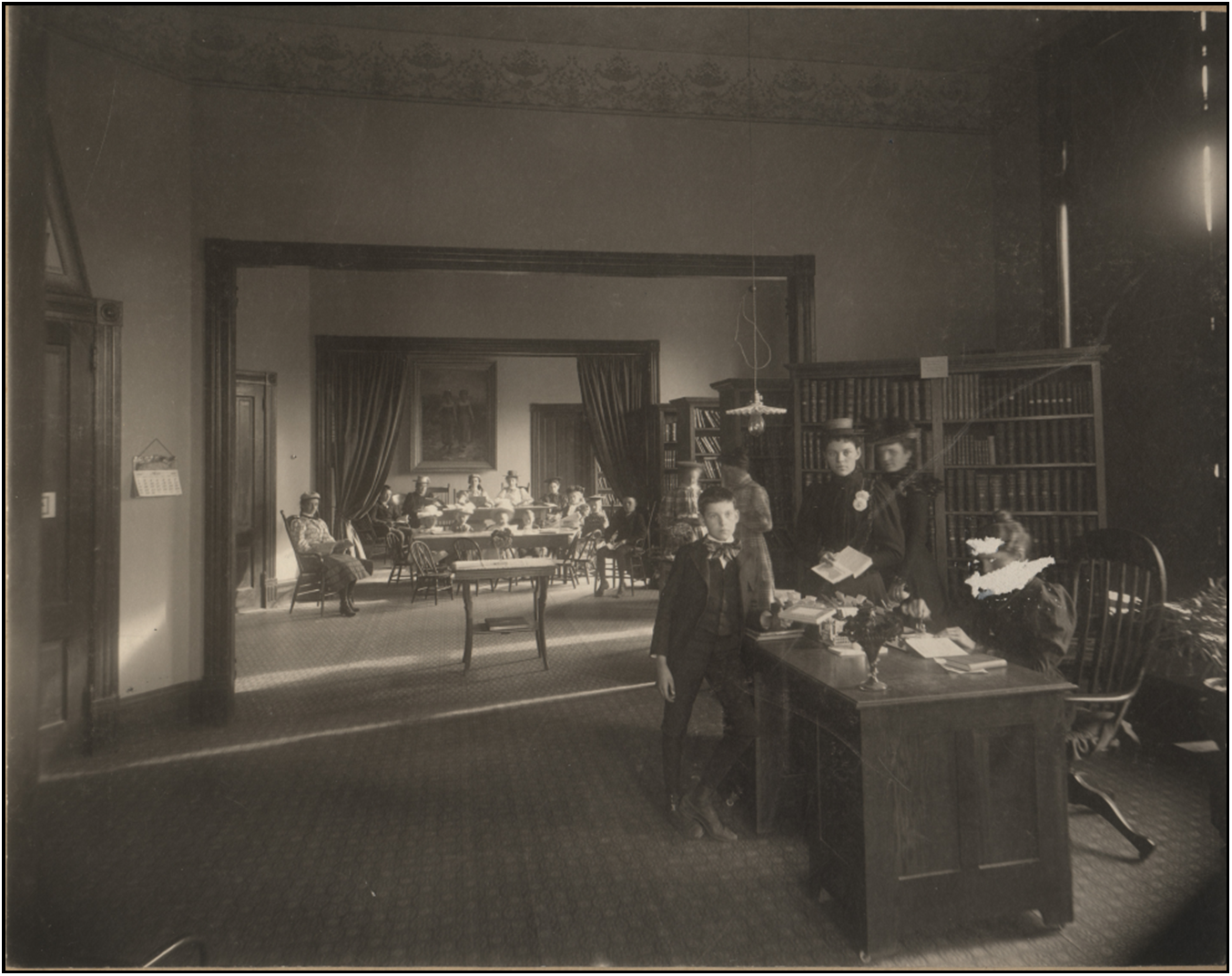
Inside the Reading Room Library located in the Ticknor Building on Main St.
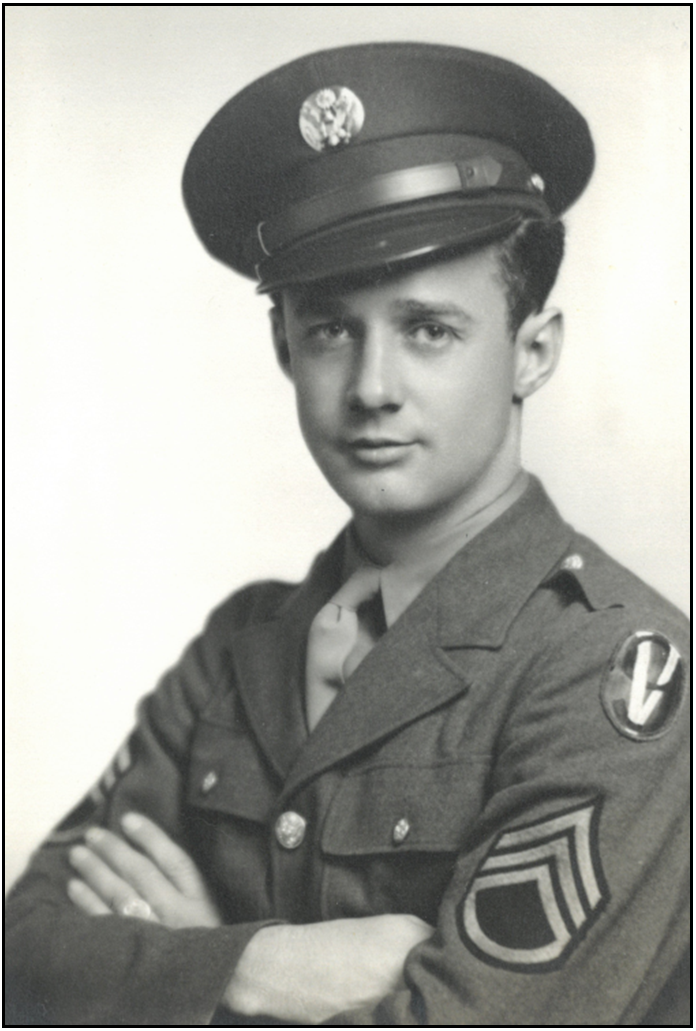
Tick smith, 1942
Zale married attorney John H. Niles in November 1887. Born in New York state around 1859, John later moved to Iowa and was admitted to the bar there in 1882. He arrived in Anoka by May 1885. After they married, Zale and John had one daughter, Natalie, born on November 30, 1889. When Natalie was seven, the couple and their daughter moved back into the Ticknor home due to Zale’s poor health. She seems to have suffered from ill health throughout her life, as she also had left her studies at Anoka High School incomplete due to illness.
Heman Ticknor passed away in March 1897, in the home that he built for his family. He was ill for about a month prior.
“From its beginning, no hope of his recovery was entertained. It was a brain disease which caused his death, overwork without relaxation affecting that organ in such a manner as to leave no hope for his recovery after he was stricken,” read his obituary.
At 69 years old, his death was considered “an irreparable loss” to the city of Anoka. As one of the city’s pioneer residents, Heman had contributed greatly to Anoka's development during his lifetime.
After her father’s death, Zale and her husband, John, remained in the Ticknor home with Anna, and they made extensive changes to the building. John continued to work as an attorney; his letterhead reflected his status as a “Lawyer and Abstractor,” with offices located in the Ticknor Building on Main Street in Anoka. Zale was a member of the Philolectian Society, a local Anoka women’s philanthropic group. The Philolectians, including Zale, wanted a public library for the city of Anoka. Space in the Ticknor building on Main Street was used as a free public reading room, but the Society's goal was a full library with its own building. Funding was eventually obtained from the Carnegie Foundation to build a Carnegie Library in Anoka.
Unfortunately, Zale did not live to see the new library built. She passed away after a prolonged illness in February of 1902, at the age of 36.
“In the death of Mrs. Niles, a true friend of a host of Anoka people, has passed away,” read her obituary. “She was active in Anoka society and worked for the good of the community, and her taking away will be keenly felt.”
Records don’t indicate whether her husband had championed the library cause prior to Zale’s death, but afterward, John was heavily involved; in 1904, he served as the Chairman of the Building Committee responsible for the construction of the Carnegie Library, which stood in Anoka from that year until it was taken down in 1966.
Zale’s mother, Anna, passed away four years after her daughter’s death in 1906 at the age of 72, having suffered several weeks of paralysis. John Niles lived to see his daughter Natalie marry Arthur L. Smith in April of 1913, but passed away later that same year, in July. The house passed to Natalie at that time.
Natalie and Arthur had one son on February 8, 1917, whom they named Ticknor Niles Smith in honor of past family names. Like his mother and grandmother, Ticknor (who went by “Tick” for short) attended Anoka High School, graduating in 1936. He was involved with sports, participating on both the football and basketball teams. Going on to college, he attended Brigham Young University in Utah and took up boxing.
After college, Ticknor Smith returned to the city of Anoka. When the United States entered World War II, he received his Selective Service notification through the Anoka draft board and was called to active duty in 1942. He joined the Army and served in the Third Platoon of Company H, 378th Infantry Regiment, 95th Infantry Division, which was part of the United States Third Army under General George Patton. They went overseas to Europe in late 1942, and were at the front of the Allied drive into Germany in 1944-1945. Serving as Platoon Sergeant, Smith and his men were involved in the capture of an important bridge across the Saar River at Saarlautern, preventing the Germans from blowing it up and allowing the Allied Forces to cross the river.
Ticknor Smith survived the war and returned home in 1945. Moving East, he worked for the New York Life Insurance Company in Reading, Pennsylvania, and served as the field supervisor for its Mid-Atlantic Division Home Office in New York City. He received several certificates from the company during the 1948-1950 period, congratulating him on his consistently high insurance sales.
He returned to Anoka when his parents, Natalie and Arthur, fell ill, and continued as the fourth generation to live in the Ticknor house. He spent 18 years working as the State Field Director of the Minnesota Cancer Society. He married Dorothy Olson in 1964, and they lived on Greenwald Island in Oak Grove, Anoka County – perhaps an appropriate home for the great-grandson of Aaron Greenwald’s widow. His mother, Natalie, passed away at Mercy Hospital on May 26, 1967. The Ticknor house remained in the family for another decade before it was sold in 1977. Ticknor himself lived until 2002, passing away in Coon Rapids. Although he never had children himself, his stepchildren still live in the county and preserve both photographs and memories of their stepfather.